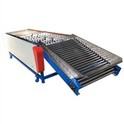
Selecting the right milk tea pearl making machine is crucial for any bubble tea business aiming to deliver high-quality beverages efficiently. With various models and features available, making an informed decision involves understanding your specific needs and evaluating key factors. Here's a comprehensive guide to choosing the best milk tea pearl making machine for your business.
1. Assess Your Production Volume
The first step in choosing a milk tea pearl making machine is to assess your production volume. If you operate a high-traffic bubble tea shop, you'll need a machine that can handle large quantities of pearls quickly and consistently. For smaller operations, a machine with a lower capacity might be sufficient. Evaluate your daily production requirements and choose a machine that aligns with your business's scale.
2. Consider the Machine's Features
Automation: Automated features can simplify the pearl-making process, reducing labor costs and ensuring consistent results.
Multi-Functionality: Some machines offer additional functions, such as the ability to make pearls of different sizes or flavors, providing greater versatility.
Ease of Use: Look for machines with user-friendly controls and automated processes.

3. Evaluate Build Quality and Durability
The build quality of a milk tea pearl making machine impacts its longevity and performance. High-quality machines are typically made from durable materials such as stainless steel, which can withstand the rigors of commercial use. Ensure the machine you choose is robust and well-constructed to handle frequent use without frequent breakdowns.
4. Check for Energy Efficiency
Energy efficiency is an important consideration, especially for businesses concerned about operating costs and environmental impact. Choose a milk tea pearl making machine that is energy-efficient and has certifications or features that reduce power consumption. An energy-efficient machine can help lower utility bills and contribute to sustainability efforts.
Energy Ratings: Check for energy-efficient models that help reduce operating costs.
Sustainability: Opt for machines designed with eco-friendly practices in mind.
5. Consider Maintenance and Support
6. Review Cost vs. Features
While it's tempting to go for the most affordable option, it's important to balance cost with features and quality. A higher initial investment in a well-built, feature-rich machine can lead to greater efficiency, reliability, and long-term savings. Evaluate the cost in relation to the machine's capabilities, durability, and the benefits it offers.
Long-Term Savings: Weigh the cost against the machine's benefits and expected lifespan.